Saint James the Greater vs Saint John the Evangelist
Pilgrim shell and staff vs youthful evangelist with book.
The shell means Santiago; the eagle means Gospel.
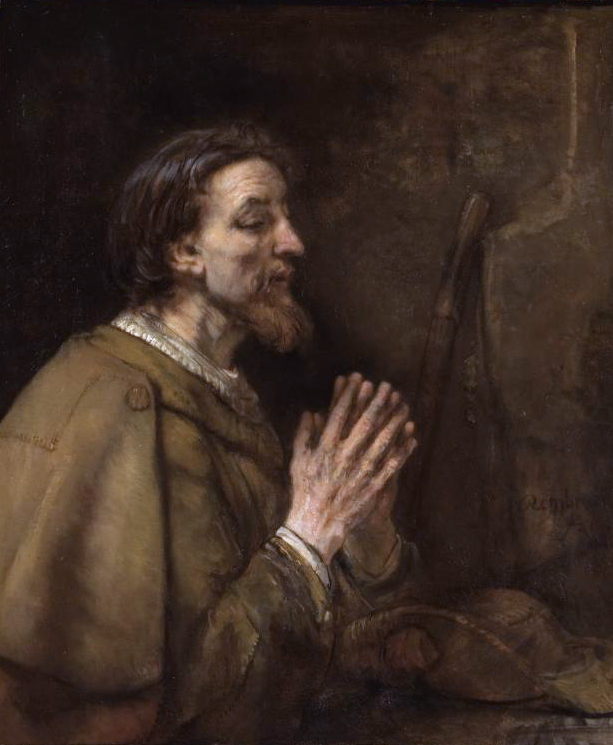
Saint James the Greater
Patron of Spain, the pilgrim apostle
Scallop shell, pilgrim staff, wide hat
- Scallop shell on hat or cloak
- Pilgrim staff and gourd
- Matamoros horse (Spanish tradition)

Saint John the Evangelist
Apostle and author of the fourth Gospel
Book, eagle, youthful appearance
- Eagle emblem, chalice, smooth chin
- Often youngest face among the Twelve
In the museum or church
Camino de Santiago donations fill churches with shell imagery — do not confuse with generic pilgrims.
Why they get confused
Brothers in the Gospels; both appear among the twelve with similar apostle garb.
Quick recognition
- ›Shell = James the Greater.
- ›Eagle or chalice = Evangelist.
At a glance
| Saint James the Greater | Saint John the Evangelist |
|---|---|
| Scallop shell, pilgrim staff, wide hat | Book, eagle, youthful appearance |
| James: pilgrim hat, shell, staff, sword, travel gourd | |
| John: no shell, younger face, book, cup/chalice in some legends | |
| James: sword as apostle-martyr, travel gear, Spanish royal patronage | |
| John: no shell, intimate proximity to Christ in passion scenes | |
Similarities
- Apostolic robes
- Near Christ in apostolic groups
- Bearded in some traditions
Common mistakes
- Shell overlooked in Camino-related art
- Any young apostle assumed to be John without symbols
Related comparisons
Saint John the Evangelist

John the Baptist
The book belongs to the evangelist; the lamb belongs to the desert.
The youthful evangelist with a book vs the desert prophet with a lamb.

Saint Matthew
Saint John the Evangelist
Money and a winged man = Matthew; eagle and youth = John.
Winged man or money bag vs eagle and youthful face.

Saint Paul
Saint James the Greater
Book with sword = Paul; shell with sword = James.
Sword with book vs sword with pilgrim shell.