A guided program in apostolic iconography
The Twelve Apostles
A comprehensive guided course—digital museum, visual academy, and iconographic atlas—for mastering the canonical Twelve Apostles and the most frequent confusions between them in Christian art.
Duration
8–10 hours
Modules
10
Lessons
54
Level
beginner
Your progress
0% complete
Continue with
Course Overview & Learning Path
0 of 54 lessons completed
The Twelve Apostles — one portrait each

Saint Peter
Study notesFirst among the apostles, fisherman of Galilee, keeper of the keys, and first bishop of Rome.
Key attributes
Keys · Inverted Cross · Rooster

Saint Andrew
Study notesBrother of Peter, first-called disciple, patron saint of Scotland and Russia.
Key attributes
Cross · Fishing Net · X shaped cross (saltire)
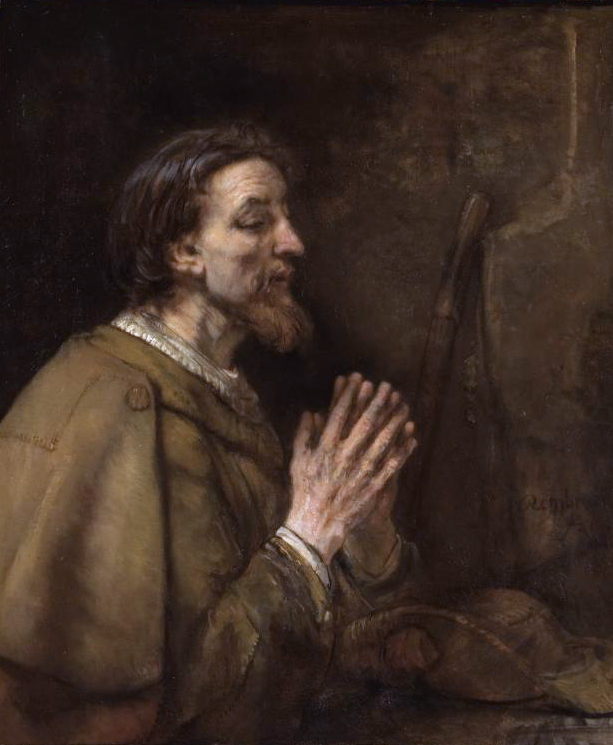
Saint James the Greater
Study notesSon of Zebedee, pilgrim apostle, patron of Spain and the Camino de Santiago.
Key attributes
Scallop Shell · Staff · Pilgrim Hat

Saint John the Evangelist
Study notesBeloved disciple, author of the Fourth Gospel, youthful apostle, symbolized by the eagle.
Key attributes
Book · Eagle · Chalice

Saint Philip
Study notesApostle from Bethsaida, linked to cross or loaves, missionary martyr.
Key attributes
Cross · Loaves · Staff

Saint Bartholomew
Study notesOften identified with Nathanael; flayed martyr carrying his own skin.
Key attributes
Flaying Knife · flaying knife · skin

Saint Matthew
Study notesTax collector turned apostle and evangelist, winged man symbol, author of the First Gospel.
Key attributes
Book · money · quill

Saint Thomas
Study notes“Doubting Thomas,” missionary to India, associated with spear or builder’s square.
Key attributes
Spear · builder’s square · finger gesture

Saint James the Less
Study notesSon of Alphaeus, “James the Minor”—distinguished from James the Greater by absence of the pilgrim shell.
Key attributes
Book · Club · apostolic robes

Saint Simon the Zealot
Study notesApostle called the Zealot or Canaanite; often shown with saw or boat oar.
Key attributes
Saw · oar · Cross

Saint Jude Thaddeus
Study notesPatron of hopeless causes; club or medallion; not Judas Iscariot.
Key attributes
Club · medallion · flame on head (Pentecost)

Saint Matthias
Study notesChosen by lot to replace Judas Iscariot; axe or halberd in martyrdom art.
Key attributes
Axe · halberd · Book
Learning objectives
- Identify each of the Twelve Apostles by primary attributes in painting, sculpture, and mosaic.
- Distinguish Peter and Andrew, the two Jameses, and John the Evangelist from similar figures.
- Tell Matthew, Thomas, Philip, and Bartholomew apart in apostolic cycles.
- Navigate Last Supper compositions, Pentecost groups, and pilgrimage iconography.
- Apply comparative method to paired apostles (Simon & Jude, James Greater & Less).
- Prepare for visual and theoretical assessment with integrated practice.
Course program
Ten modules from introduction through final evaluation—54 lessons with visual panels, historical context, comparisons, checkpoints, and integrated practice.
Difficulty: Beginner to intermediate (with advanced comparison modules)
Complete course index
Learn what “apostle” means in scripture and art, how to read apostolic attributes, and how this course is structured.
ObjectiveEstablish precise apostolic vocabulary, the canonical roster of the Twelve, and a repeatable three-step method for reading apostles in sacred art.
0 of 5 lessons complete
The Twelve Apostles covered
First among the apostles, fisherman of Galilee, keeper of the keys, and first bishop of Rome.
Keys (gold and silver)
Brother of Peter, first-called disciple, patron saint of Scotland and Russia.
Diagonal/X-shaped cross
Son of Zebedee, pilgrim apostle, patron of Spain and the Camino de Santiago.
Scallop shell
Beloved disciple, author of the Fourth Gospel, youthful apostle, symbolized by the eagle.
Clean-shaven or light beard youth
Apostle from Bethsaida, linked to cross or loaves, missionary martyr.
Tall cross staff
Often identified with Nathanael; flayed martyr carrying his own skin.
Knife and skin attribute
Tax collector turned apostle and evangelist, winged man symbol, author of the First Gospel.
Winged man/angel symbol
“Doubting Thomas,” missionary to India, associated with spear or builder’s square.
Finger touching wound scene
Son of Alphaeus, “James the Minor”—distinguished from James the Greater by absence of the pilgrim shell.
No scallop shell
Apostle called the Zealot or Canaanite; often shown with saw or boat oar.
Saw attribute
Patron of hopeless causes; club or medallion; not Judas Iscariot.
Club or medallion
Chosen by lot to replace Judas Iscariot; axe or halberd in martyrdom art.
Axe attribute
Core apostolic attributes
Frequent confusions
Peter vs Andrew
Saint Peter
Study notesFirst among the apostles, fisherman of Galilee, keeper of the keys, and first bishop of Rome.
Key attributes
Keys · Inverted Cross · Rooster
Saint Andrew
Study notesBrother of Peter, first-called disciple, patron saint of Scotland and Russia.
Key attributes
Cross · Fishing Net · X shaped cross (saltire)
Peter: keys, papal blue/gold, stockier elder. Andrew: X-shaped saltire cross, often beside Peter in calling scenes.
- →Brothers but distinct attributes
- →Saltire = Andrew; keys = Peter
John the Evangelist vs John the Baptist
Saint John the Evangelist
Study notesBeloved disciple, author of the Fourth Gospel, youthful apostle, symbolized by the eagle.
Key attributes
Book · Eagle · Chalice

John the Baptist
Study notesVerified depiction of John the Baptist — study the face, garments, and attributes in this artwork.
Key attributes
Lamb · Cross · painting
Evangelist: youthful, book/eagle, chalice legend, clean face. Baptist: hair shirt, lamb, pointing gesture, wilderness setting.
- →“Young John” in apostolic company = Evangelist
- →Lamb almost always = Baptist (comparison only)
James the Greater vs James the Less
Saint James the Greater
Study notesSon of Zebedee, pilgrim apostle, patron of Spain and the Camino de Santiago.
Key attributes
Scallop Shell · Staff · Pilgrim Hat
Saint James the Less
Study notesSon of Alphaeus, “James the Minor”—distinguished from James the Greater by absence of the pilgrim shell.
Key attributes
Book · Club · apostolic robes
Greater: pilgrim shell, staff, hat, sword, Spain/Camino context. Less: club or bat, no pilgrim shell.
- →Shell = Greater
- →Less often beside Philip in calendar art
Matthew vs John
Saint Matthew
Study notesTax collector turned apostle and evangelist, winged man symbol, author of the First Gospel.
Key attributes
Book · money · quill
Saint John the Evangelist
Study notesBeloved disciple, author of the Fourth Gospel, youthful apostle, symbolized by the eagle.
Key attributes
Book · Eagle · Chalice
Matthew: winged man symbol, money bag, older bearded writer. John: youthful face, eagle, contemplative Gospel writer.
- →Age coding is decisive
- →Winged man = Matthew; eagle = John
Simon and Jude
Saint Simon the Zealot
Study notesApostle called the Zealot or Canaanite; often shown with saw or boat oar.
Key attributes
Saw · oar · Cross
Saint Jude Thaddeus
Study notesPatron of hopeless causes; club or medallion; not Judas Iscariot.
Key attributes
Club · medallion · flame on head (Pentecost)
Almost always paired. Simon: saw. Jude: club or medallion with Christ’s face, green cloak.
- →Treat as a visual pair in apostolic galleries
- →Never confuse Jude with Judas Iscariot
12 apostles · deep profiles with galleries in the Library: