symbol
Cross
Saltire (Saint Andrew’s cross)—diagonal X, not Latin cross.
Iconography & biography archive
Sources: John 1:40–42; Matthew 4:18–20; Acts of Andrew (apocryphal); saltire martyrdom tradition.

Selected depiction
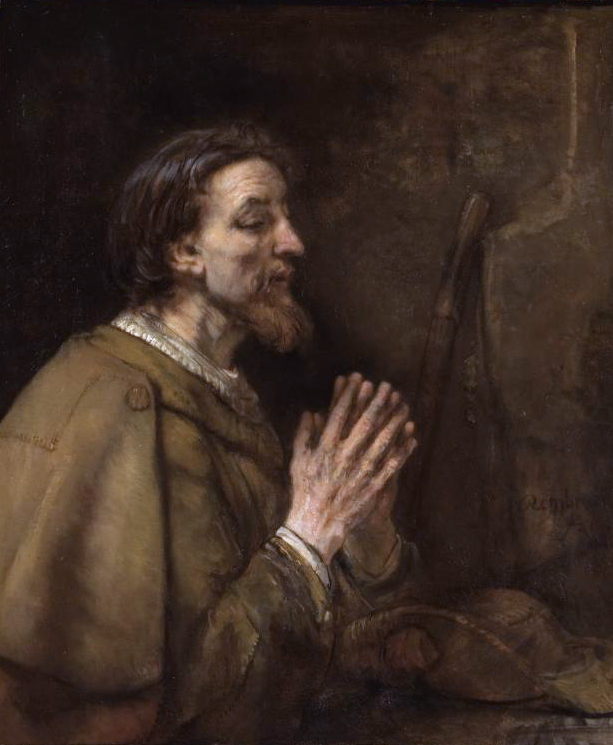
Saint Andrew ("Saint Andrew" (about 1615-1618) by Jusepe de Ribera)
Wikimedia Commons
Apostles
Andrew the Apostle
the Protoclete—brother of Peter—carries the saltire cross that became Scotland’s emblem and the fisherman’s net from Galilee.
Symbols that identify this saint in sacred art
symbol
Saltire (Saint Andrew’s cross)—diagonal X, not Latin cross.
object
Galilean fisherman background shared with Peter.
clothing
Often shown beside Peter in calling scenes
symbol
Often shown beside Peter in calling scenes
How to read Saint Andrew in paintings, sculpture, and altarpieces
The X-shaped cross is Andrew’s alone among the Twelve in Western art. Do not confuse with Philip’s tall Latin cross or generic apostle crosses. Calling scenes pair him with Peter—look for diagonal cross in later solo portraits.
symbol
Saltire (Saint Andrew’s cross)—diagonal X, not Latin cross.
object
Galilean fisherman background shared with Peter.
clothing
Often shown beside Peter in calling scenes
symbol
Often shown beside Peter in calling scenes
Artists often dress Saint Andrew in green, blue, gold—these hues are not rigid rules but long-standing conventions that help recognition in polyptychs and chapel cycles.
Selected depictions of Saint Andrew from verified sources
Wikimedia Commons
Painting
Saint Andrew ("Saint Andrew" (about 1615-1618) by Jusepe de Ribera)

Wikimedia Commons
Painting
Saint Andrew (El Greco - Saint Andrew at full-length in a landscap)

Wikimedia Commons
Painting
Saint Andrew (José de Ribera - St Andrew - WGA19358.jpg)

Wikimedia Commons
Painting
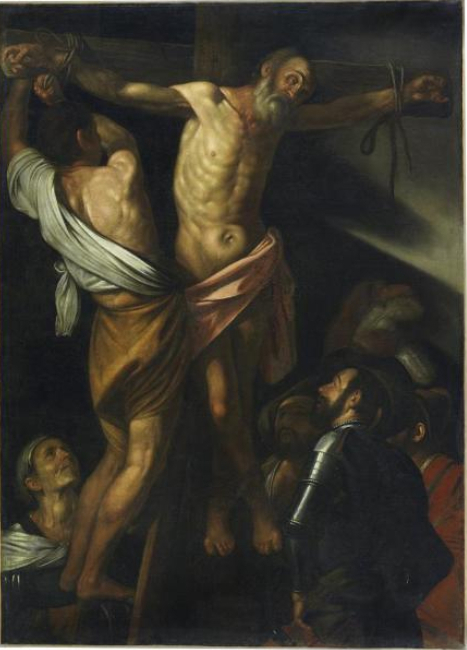
Saint Andrew (Jusepe de Ribera (1591-1652) - Saint Andrew - 1-194 )
Wikimedia Commons
Painting
Saint Andrew (Louis Finson or Abraham Vinck, after Caravaggio - Th)

Wikimedia Commons
Painting
Saint Andrew (Saint Andrew, detail. El Greco Museum, Toledo. Spain)

Wikimedia Commons
Painting
Saint Andrew (Martyrdom of St Andrew (SM 822).png)

Wikimedia Commons
Painting
Saint Andrew (The Martyrdom of Saint Andrew 875d06.jpg)
Life, witness, and historical framing
bridges Eastern and Western Christianity—first-called in John, yet patron of Scotland. In museums, the diagonal cross ends debate faster than facial type alone.
Clues ordered for museum identification
His distinctive martyrdom attribute—diagonal cross, not a Latin cross
Andrew’s cross held upright or as attribute
Often shown beside Peter in calling scenes
Recalls Galilean fishermen background with Peter
Quick checklist
Saltire cross is definitive; Scottish or Greek mission context helps.
Why communities invoke this figure
Avoid common misidentifications in galleries
Often confused with Saint Peter: Brothers; Peter has keys, Andrew has saltire cross
Often confused with Saint Philip: Both less common solo apostles; Philip may carry tall cross or loaves
Scholarly curiosities and cult details
Andrew bridges Eastern and Western Christianity—first-called in John, yet patron of Scotland. In museums, the diagonal cross ends debate faster than facial type alone.
Other Apostles figures you might want to explore